At the South Australian Sports Institute (SASI), we help athletes develop into the best version of themselves, both in their sporting pursuits and in their everyday lives.
This holistic approach means setting up athletes for success post-sport and ensuring they are able to balance their current competition/training regime with their work and study commitments.
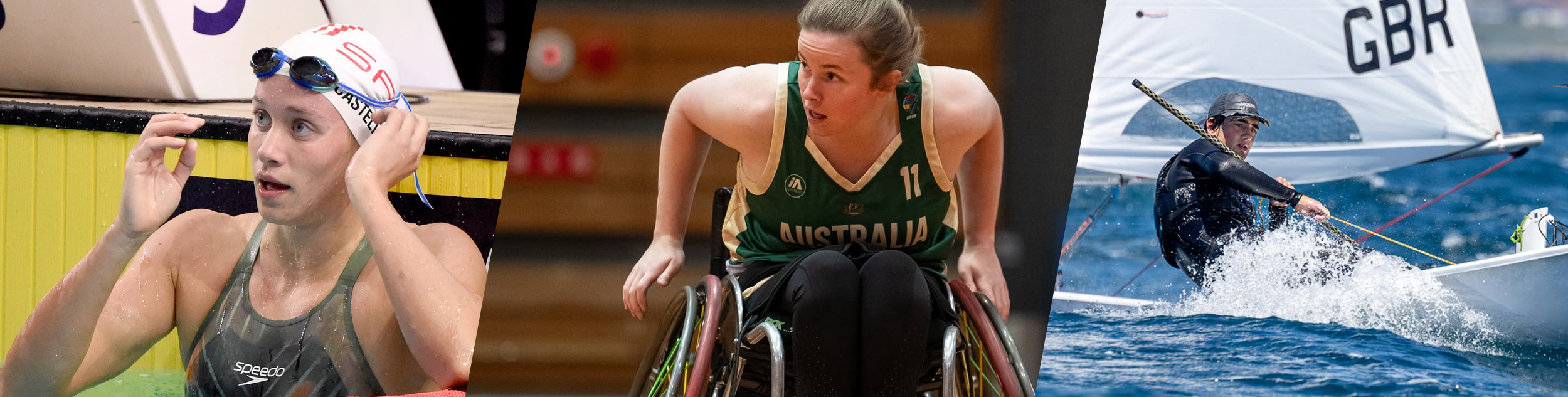
For National Careers Week (12 – 18 May 2025), we caught up with three SASI scholars to find out how they successfully juggle sport and their career goals, providing inspiration for other athletes who are looking to follow in their footsteps.
What these three athletes have in common is utilising the support network around them and effective communication with coaches, enabling them to achieve excellence in their sport, studies and career.
Max Sturman
Sport: Sailing
Studying: Chemical Engineering
Career aspiration: Chemical Engineer for BHP
How do you structure your day to accommodate both your training and career development activities?
My day typically begins with a gym session, followed by breakfast. Then, I focus on university or work commitments before lunch. In the afternoon, I either head down to the yacht club to train or head off to work, coaching school teams. Afterwards, I have tea before winding down with social time, or I also use this time to catch up on studies if needed. Being at Aquinas College, a Residential College in North Adelaide, meals are shared with other collegians which provides a break to socialise three times a day. This structure ensures that I can allocate time for both physical, personal, and professional development while maintaining a balanced lifestyle.
What methods do you use to ensure that both your sporting and career goals receive adequate attention?
To ensure that both my sporting and career goals receive adequate attention, I assess deadlines and determine how long each task will take to complete and how far away the due date is. This helps me plan what time in my week I dedicate to university, work and training. Furthermore, I assess my deadlines at the start of the semester and put them on a calendar and reassess what tasks need to be completed weekly to ensure all tasks are finished before the due date. My employment at the Sailing School involves setting up the courses over the summer season which I complete during the October holidays. This means I only focus on inquiries and weekly scheduling of instructors. Additionally, I manage stress by following a process: if I can do something about a problem, there’s no need to stress; if I can’t, I evaluate whether I have done all I can. If so, I remind myself that there’s nothing more I can do, which helps me maintain focus and reduce unnecessary anxiety. Finally, if I fall behind on deadlines at university, I try to identify it early and ask Course Coordinators for more time. If no extra time is given, I go back to my original plan. This applies to both work and sailing because asking for help assists in managing a balance between work, sailing and university.
In what ways do your coaches assist or encourage your career aspirations outside of sport?
My coaches play a significant role in supporting my career aspirations outside of sport. They offer flexibility in training schedules which allows me to balance my academic and work commitments alongside my athletic training. This adaptability is crucial in ensuring I can meet my various responsibilities without compromising on performance.
How does the support from your family and friends help you in balancing your dual commitments?
Living away from home means I rely on digital communication to stay connected with my family. They are a great support system, allowing me to discuss work, university or sailing without having to worry about judgement. My mum is a great support especially in organising logistics for events, such as accommodation and flights, which I often don’t have time to manage myself. Additionally, my extended family in Adelaide and members of the Yacht Club help create a sense of community, inviting me over for meals and other activities that make me feel supported even from afar.
My friends also play a key role in balancing my commitments. They provide an important outlet away from sport and work, keeping me grounded. Studying with friends helps keep me motivated, and living in a College environment ensures I am always surrounded by people who can support and encourage me. Having the ability to take short mental breaks, whether by playing pool or engaging in other activities, help me to maintain focus and avoid burnout.
What strategies do you employ to maintain a sustainable balance between your sport and career development over time?
To maintain a sustainable balance between sport and career development, I incorporate break weeks where I still spend time in the boat but focus on fun rather than structured training. This helps keep my passion alive without feeling overwhelmed. Additionally, I use sport as a break from university and work, and vice versa. In this way, I can remain engaged and excited to return to each activity after shifting focus. When both work and sport become tiring, I take complete breaks from both through activities like surfing, which helps refresh myself getting me ready to approach training and work with a positive attitude. Finally, I take holidays by going back home to the Eyre Peninsula to spend time with family, surfing, fishing and sailing. This provides me with a reset before coming back to Adelaide.
How has pursuing a career outside of sport positively impacted your overall wellbeing and athletic performance?
Pursuing a career outside of sport has had a significant positive impact on my overall well-being and athletic performance. My managerial role at the yacht club has improved my ability to work, prioritise, and communicate with people electronically. University has been instrumental in developing my problem-solving skills, which I apply both in academics and sports. Additionally, balancing my responsibilities—whether through work, university, living at college, or training—has taught me the importance of asking for help when needed. I’ve realised most people are willing to support me, and reaching out for assistance has been crucial in managing my commitments effectively.
Brittany Castelluzzo
Sport: Swimming
Studying: Occupational Therapy (Honours)
Career aspiration: I would love to work in the rehabilitation space or with children in paediatrics
How do you structure your day to accommodate both your training and career development activities?
It is quite hard to structure my day when it comes to swimming training, work as a support worker and uni, studying occupational therapy part time, as we train 9 swim sessions a week and 3 gym sessions per week as well but through the elite athlete program at my uni, I am able to have classes at times that don't conflict with my training schedule. Sometimes there are classes that only have one option and it may be at the same time as training, however I am able to work around training earlier/later with my coaches to make sure I still get my session in while also attending class when I need to. Being a casual employee allows me to enter my unavailability each week and the company I work for has many elite athletes working there and are well aware of our commitments and are very understanding which makes things a lot easier. Our training schedule is usually pretty set but sometimes does change so it is good to have flexibility when it comes to working.
What methods do you use to ensure that both your sporting and career goals receive adequate attention?
Our main part of the season for swimming is between January to August, as trials for the major meet that year is in June with the meet happening at the end of July. Therefore this is my most important part of our season when we have a lot of camps or competitions interstate. I try and do my less demanding uni classes during the first semester to try and prioritise swimming and then during the second half of the year, which is more like our pre season, I am able to complete the more practical uni classes which are hard to do when we travel.
In what ways do your coaches assist or encourage your career aspirations outside of sport?
Our coaches are very passionate about having career aspirations outside of swimming as they know that swimming isn't forever and that you need to have a pathway ready for you when you decide to retire. They also encourage uni as a way to challenge yourself mentally and also is a great way to engage in the community and make new friends.
How does the support from your family and friends help you in balancing your dual commitments?
It is super important to have support from family and friends as swimming can be super taxing on your mental health, it's nice to have people outside of the swimming bubble to support you. It's really nice that I have some friends who are swimmers who understand what I am going through but it is also good to have people who know nothing about swimming to talk to as it takes your mind off it.
What strategies do you employ to maintain a sustainable balance between your sport and career development over time?
Long term sustainability is super important in elite sport as due to the intense amount of training we do, it is quite easy to get burnt out. In order to maintain a sustainable balance, I try and 'fill up my cups', my emotional, physical recovery, social, me time cups. I feel as if it's super important to check in with yourself and figure out which cups need filling up at that point in time and to not be afraid to do what I have to do. If I have to miss out on a social event if I need to have some me time in order to mentally recharge, it's something that I need to do for the long term sustainability.
How has pursuing a career outside of sport positively impacted your overall wellbeing and athletic performance?
Pursuing career outside of sport has had a massive positive impact on my performance and my overall wellbeing. It has allowed me to have something else to focus on and to put my energy into, to have a break from swimming. I feel as if you only have one thing to focus on, you can overthink it and when things aren't going right in that one thing, it can ruin you as a person. By having multiple different outlets, I can leave my swimming performances at the pool and focus on something else and compartmentise. This allows me to not completely tie my identity and my worth into my sport and the performances from that.
Katelin Gunn
Sport: Wheelchair Basketball
Studying: Bachelor of Commerce (Accounting)
Career aspiration: Complete my Chartered Accountant certification at an accounting firm
How do you structure your day to accommodate both your training and career development activities?
I structure my day carefully to balance both my training and career development activities. Since I know my training schedule in advance, I plan my university studies around these commitments to ensure I stay on top of my coursework. I dedicate at least one full day per week to attending the majority of my classes in person, which helps me stay engaged and make the most of university resources. To maintain flexibility, I also choose the external or online option for one or two subjects, allowing me to complete coursework at my own pace while accommodating my training sessions. I use a structured daily routine that includes dedicated study blocks, training sessions and time for rest and recovery. effective time management strategies, such as a weekly planner, helps me stay organised and ensure that neither my academic or sporting goals are compromised.
What methods do you use to ensure that both your sporting and career goals receive adequate attention?
To ensure that both my sporting and career goals receive adequate attention, I prioritise strong communication with my coaches and university staff, keeping them informed about my schedule and commitments. This allows me to manage my time effectively and maintain a balance between trainings, competitions and academic responsibilities. I stay highly organised by planning ahead, setting clear goals and breaking tasks into manageable steps to meet assessment deadlines well in advance. Additionally, I use prioritisation techniques such as time blocking and to-do lists to allocate sufficient time for both study and training. By maintaining discipline and flexibility, I can adapt to changing demands while ensuring consistent progress in both areas.
In what ways do your coaches assist or encourage your career aspirations outside of sport?
My coaches place a strong emphasis on prioritising my studies and university commitments, ensuring I have enough time to achieve the best possible grades and succeed in my career development. They encourage a balanced approach by being flexible with my training schedule, especially around exam periods, as long as I communicate with them in advance. Beyond sport, they also support my professional growth by helping me develop valuable skills such as time management, discipline and leadership. Their guidance extends to career advice, networking opportunities and encouraging a dual-career mindset, ensuring I am well prepared for future opportunities.
How does the support from your family and friends help you in balancing your dual commitments?
The support from my family and friends plays a crucial role in helping me balance my studies and sporting commitments. They provide encouragement, keep me motivated and understand the demands of my schedule. Whether it’s helping me stay focused during busy exam period or cheering me on during training and competitions, their support keeps me motivated. Their flexibility and understanding allow me to manage both effectively, ensuring I stay on track with my academic goals while performing at my best in sport.
What strategies do you employ to maintain a sustainable balance between your sport and career development over time?
To maintain a sustainable balance between my studies and sporting commitments over time, I focus on creating a well-rounded routine that prioritises both physical and mental well-being. I plan my schedule well in advance, ensuring I have enough time for training, competitions and academic work while also incorporating rest and recovery periods. By setting realistic goals, staying organised and maintaining open communication with coaches and university staff, I can adjust my workload as needed. I also make a conscious effort to develop transferable skills, ensuring my growth in both areas is aligned with my long-term aspirations and personal development.
How has pursuing a career outside of sport positively impacted your overall wellbeing and athletic performance?
Pursuing a career outside of sport, particularly through my studies, has had a positive impact on both my overall well-being and sporting performance. Balancing academics with training provides a mental break from the intensity of sport, reducing stress and helping me stay focused during competitions and training sessions. It also helps me develop a sense of purpose beyond sport, which keeps me motivated and fulfilled. The skills I gain through my studies, such as time management and problem-solving, translate into better discipline and performance in sport. This balance contributes to a more holistic and sustainable approach to both my career and sporting goals.